
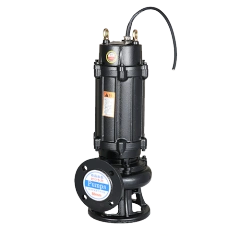
The difference between a dive pump and a dived sludge pump is that dives are named after the state of immersion when the pump is re-operated. A submersible sludge pump can only be said to be one type of submersible pump, but we usually refer to a water pump, such as agricultural irrigation / domestic water. The submersible slag pump mainly highlights the word slag, mainly refers to the characteristics such as wear resistance and particle passage.
An Overview of Submersible Pumps
A submersible pump is an important equipment for carrying water from deep wells. When used, the whole unit dives into the water to work, extracting groundwater to the surface. It is used for domestic water, mine rescue, industrial cooling, agricultural irrigation, seawater upgrading, ship transfer, and can be used for fountain landscapes.
In terms of the medium of use, the submersible pump can generally be divided into three categories: clean water submersible, sewage submersible and seawater submersible (corrosive).
How to install a submersible pump
1. Stand vertically used, for example in a typical well;
2. Use in a slope, such as in tunnelways with a gradient in a mine;
3. Use in a standing position, such as in a pool.
Diving Pump
An overview of the characteristics of submersible slag pumps
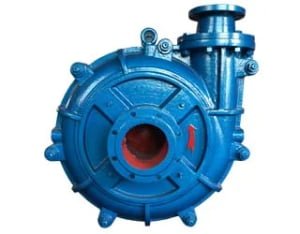
Submersible slurry pump is represented by ZJQ type, mainly designed for conveying slurry containing particulate matter.
It wasn’t meant to deliver pure liquid.
So wear resistance is what distinguishes it from other submersible pumps.
It usually has a relatively wide waterway
It can be widely used in mining, power, metallurgy, coal, environmental protection and other industries to transport abrasive-containing plasma. For example, metallurgical quarry pulp delivery, hydraulic ash removal from coal plants, coal and heavy agents delivery from coal washing plants, river dredging, river siltation, etc. In the chemical industry, some corrosive liquids containing crystals may also be transported.

发表回复